Pilates at Home Finally Fits Real Life
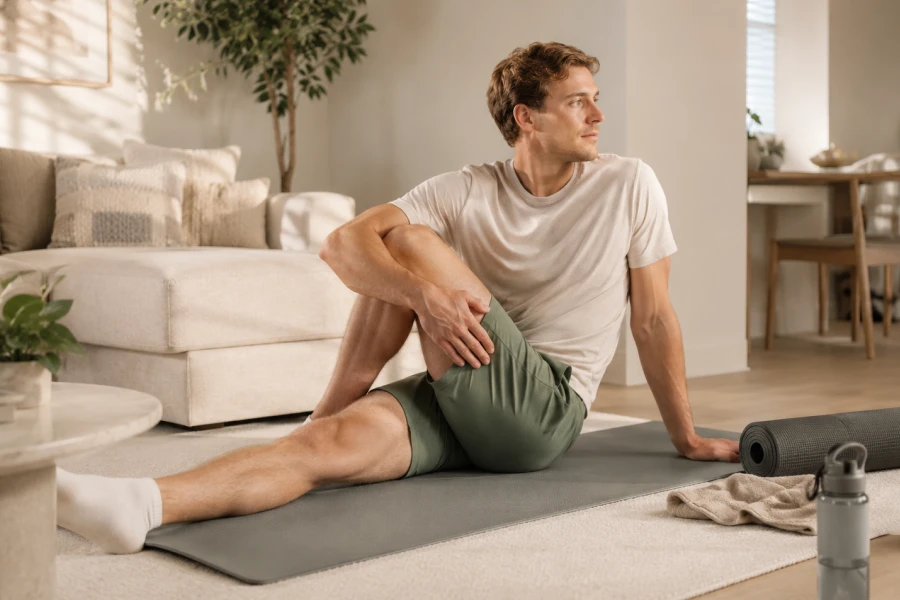
Pilates at home works because real schedules rarely behave perfectly. Some mornings begin late. Some evenings arrive with low energy. A flexible practice removes the pressure to be flawless. You can move for ten minutes. You can pause when life interrupts. The method still supports strength, posture, and calm. Your body benefits from honest consistency. A home fitness routine makes that consistency easier.
The routine starts fitting your life instead of competing with it. This approach also gives you a simple way to listen to your body. You can notice tightness before it becomes discomfort. You can choose control instead of speed. That choice makes each session safer. It also turns movement into a calm daily anchor. That practical feeling keeps the routine inviting when the day feels crowded. That steady invitation makes practice easier to repeat tomorrow.
Why Pilates at Home Works for Busy Schedules
Real-life movement needs patience. You may not have studio equipment. That does not make the practice less useful. Your mat can still support powerful work. Bodyweight resistance challenges deep muscles. Slow transitions build awareness. Controlled breathing changes the whole pace. A mindful movement program helps you stay connected to form.
The goal is not perfection. It is movement that feels sustainable enough to repeat. A home routine also removes the pressure to perform for other people. You can pause, repeat, or simplify without feeling watched. That freedom makes learning easier. It encourages experimentation. It lets your body build confidence quietly. The habit can grow without demanding a bigger life around it. That steady invitation makes practice easier to repeat tomorrow.
Creating a Routine You Will Actually Use
A supportive schedule begins with honesty. Notice when your energy feels best. Some people move before breakfast. Others prefer a gentle evening reset. Avoid placing sessions in impossible windows. Start with small time blocks. Protect those blocks like appointments. Keep the routine visible. A mat near the wall can remind you. Simplicity makes follow-through more natural.
The most effective sessions often feel modest while you are doing them. The benefits gather later through posture, steadiness, and less tension. That delayed reward is still real. It becomes easier to trust with practice. Your body starts remembering the pattern. This steady tone helps movement feel personal instead of performative. That steady invitation makes practice easier to repeat tomorrow.
How Pilates at Home Builds Body Awareness
Form becomes easier when you slow down. Rushed reps hide weak spots. Careful reps reveal them kindly. The core should feel awake, not strained. Shoulders should stay broad. Breathing should remain steady. A stretching and strength sessions helps pair length with control. Good alignment turns simple exercises into meaningful work. Your body learns through repetition.
That learning continues outside the session. Consistency grows when the routine feels kind enough to repeat. You are more likely to return when the session supports your mood. A calmer pace can still build strength. Small improvements begin to connect. The practice becomes part of how you care for yourself. Each return makes the mat feel more familiar and less intimidating. That steady invitation makes practice easier to repeat tomorrow.
Adapting Pilates at Home to Your Energy
Energy changes from day to day. A strong session may feel right on Monday. By Thursday, gentle stretching may serve you better. Adaptation is not failure. It is smart training. Keep a few movement options ready. Choose the one that matches your body. A bodyweight pilates method gives you flexible choices. This prevents all-or-nothing thinking.
It also keeps the habit alive during busy weeks. Practical movement should leave you feeling capable afterward. It should not drain your confidence or punish your schedule. When effort feels measured, you can keep coming back. That return is where progress lives. The habit becomes stronger than the excuse. A sustainable rhythm turns effort into something you can trust. That steady invitation makes practice easier to repeat tomorrow.
Small Results that Make Movement Feel Worth It
Confidence grows when results feel personal. You might stand with more ease. Your lower back may complain less. Breathing may deepen during difficult moments. Balance may feel more dependable. These are meaningful outcomes. They make the effort feel worthwhile. Write them down when they appear. Small observations create a useful record.
That record keeps motivation grounded. Your body gives feedback throughout the session. A shaky muscle may mean effort. Sharp discomfort means you should change the movement. Learning that difference matters. It protects the practice from becoming stressful. It also makes every session more intelligent. That awareness helps you progress without ignoring important physical signals. That steady invitation makes practice easier to repeat tomorrow.
Keeping Pilates at Home Gentle and Consistent
The most useful practice feels welcoming. It should challenge you without punishing you. It should stretch you without overwhelming you. Leave room for slow days. Let short sessions matter. Repeat favorite flows. Replace comparison with curiosity. A daily pilates practice can turn movement into a steady ritual. That ritual supports both strength and peace. Real life becomes the reason to continue, not the excuse to stop.
Over time, the ritual can support more than fitness. It can mark the end of work. It can create a quieter morning. It can help you transition between roles. That emotional usefulness gives the habit deeper value. Movement becomes a daily reset, not another demand. The best routine supports the whole day, not only the workout itself. That steady invitation makes practice easier to repeat tomorrow.










Leave a comment