Home Pilates Workouts that Turn Your Living Room into a Studio
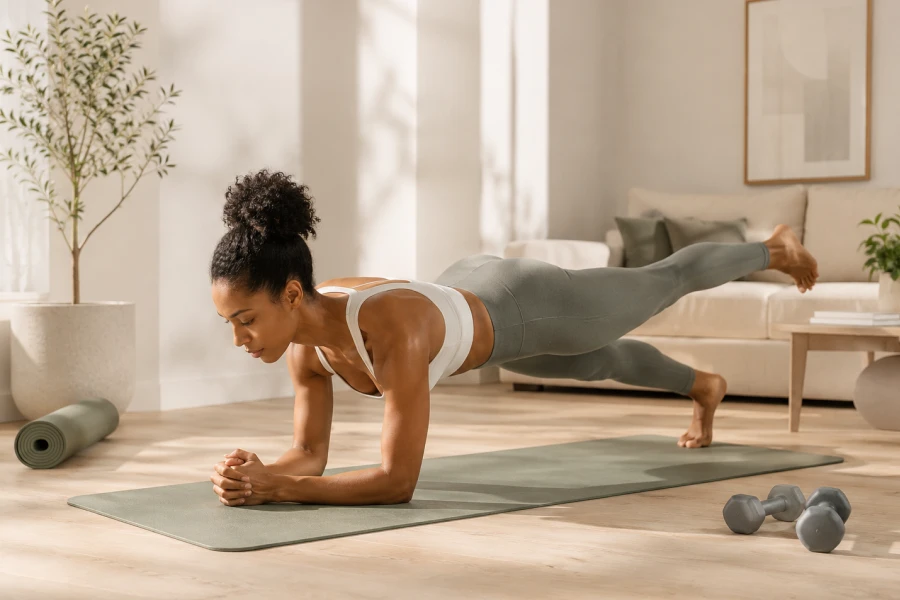
Home pilates workouts feel powerful because they remove the hardest part of starting. You do not need traffic, mirrors, or a crowded class. A quiet corner and a mat can become enough. The first session can feel simple, but it still matters. Your body learns the rhythm quickly. Breath starts leading movement. Muscles wake up without harsh pressure. Progress feels private and steady.
A structured home pilates workout plan keeps the routine clear. Soon, the living room feels like a place where strength can grow. This approach also gives you a simple way to listen to your body. You can notice tightness before it becomes discomfort. You can choose control instead of speed. That choice makes each session safer. It also turns movement into a calm daily anchor. That practical feeling keeps the routine inviting when the day feels crowded. That steady invitation makes practice easier to repeat tomorrow.
Why Home Pilates Workouts Build Practical Strength
Practical strength shows up during ordinary moments. You stand taller after carrying groceries. Your back feels steadier at the desk. Steps feel lighter after a few sessions. Pilates teaches control before intensity. That control protects your joints. It also makes every repetition feel intentional. Many people appreciate this slower pace.
A mat pilates exercises supports effort without forcing a gym mindset. Strength becomes something you practice, not something you chase. A home routine also removes the pressure to perform for other people. You can pause, repeat, or simplify without feeling watched. That freedom makes learning easier. It encourages experimentation. It lets your body build confidence quietly. The habit can grow without demanding a bigger life around it. That steady invitation makes practice easier to repeat tomorrow.
Setting Up a Calm Mat Space
Start by choosing one repeatable location. Move a chair away if needed. Roll the mat near natural light. Keep water within reach. Silence unnecessary notifications. Wear clothes that move easily. Place a towel nearby for comfort. This small setup lowers resistance. It also signals that the session has a real place. Once the space feels familiar, starting becomes much easier.
The most effective sessions often feel modest while you are doing them. The benefits gather later through posture, steadiness, and less tension. That delayed reward is still real. It becomes easier to trust with practice. Your body starts remembering the pattern. This steady tone helps movement feel personal instead of performative. That steady invitation makes practice easier to repeat tomorrow.
How Home Pilates Workouts Support Mobility
Mobility improves when movement feels precise. You are not bouncing through stretches. Instead, you lengthen with steady control. Hips, shoulders, and spine begin responding. Breath makes tight areas feel less guarded. The work feels gentle, but it is not passive. A flexibility and mobility routine helps combine softness with effort. Better range appears slowly.
Daily movement starts feeling less stiff. That change can be surprisingly motivating. Consistency grows when the routine feels kind enough to repeat. You are more likely to return when the session supports your mood. A calmer pace can still build strength. Small improvements begin to connect. The practice becomes part of how you care for yourself. Each return makes the mat feel more familiar and less intimidating. That steady invitation makes practice easier to repeat tomorrow.
The Weekly Rhythm Behind Home Pilates Workouts
A weekly rhythm keeps decisions simple. Two short sessions can work at first. Three sessions build stronger momentum. Rest days still matter. Your body needs time to adapt. Rotate strength, stretch, and flow days. Repeat familiar movements before adding harder ones. Use a core strengthening exercises when you want more structure. Consistency beats occasional dramatic effort.
The best routine is the one you return to. Practical movement should leave you feeling capable afterward. It should not drain your confidence or punish your schedule. When effort feels measured, you can keep coming back. That return is where progress lives. The habit becomes stronger than the excuse. A sustainable rhythm turns effort into something you can trust. That steady invitation makes practice easier to repeat tomorrow.
Progress You Can Feel Before You Measure
Progress is not always visible immediately. You may notice smoother transitions first. Balance may improve before muscle tone changes. Breathing may feel calmer during stress. Sitting posture may become easier. These signs deserve attention. They prove that the practice is working. Tracking small wins keeps expectations realistic. It also makes motivation less dependent on appearance.
Quiet progress often becomes the most lasting kind. Your body gives feedback throughout the session. A shaky muscle may mean effort. Sharp discomfort means you should change the movement. Learning that difference matters. It protects the practice from becoming stressful. It also makes every session more intelligent. That awareness helps you progress without ignoring important physical signals. That steady invitation makes practice easier to repeat tomorrow.
Making Home Pilates Workouts Stay Enjoyable
Enjoyment keeps movement alive. Choose music that supports your mood. Repeat exercises that feel good. Modify anything that feels wrong. Celebrate a session finished imperfectly. Let the practice meet your energy level. A warm stretch can still count. Stronger days can include more challenge. This approach makes commitment feel humane.
Over time, the mat becomes a reliable reset. Over time, the ritual can support more than fitness. It can mark the end of work. It can create a quieter morning. It can help you transition between roles. That emotional usefulness gives the habit deeper value. Movement becomes a daily reset, not another demand. The best routine supports the whole day, not only the workout itself. That steady invitation makes practice easier to repeat tomorrow.









Leave a comment