Beginner Pilates Routine for Stronger, Calmer Days
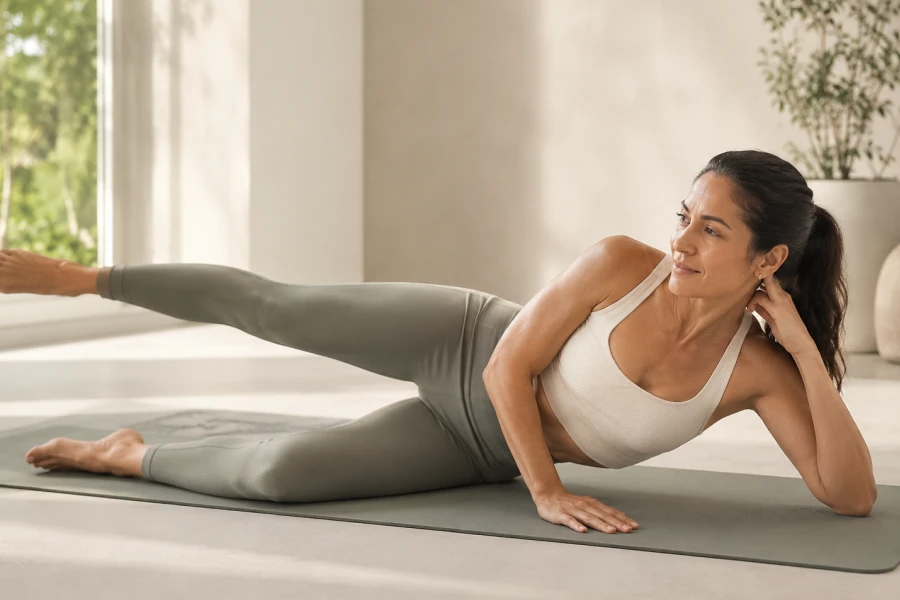
Beginner pilates routine choices matter because early experiences shape long-term motivation. A new mover needs clarity more than intensity. The first few sessions should feel supportive. You learn where to place your feet. You notice how breathing changes effort. Muscles may shake gently. That is normal. A thoughtful beginner pilates sequence makes those signals easier to understand. The practice starts feeling like a calm conversation with your body.
Strength arrives without the harshness of a punishing workout. This approach also gives you a simple way to listen to your body. You can notice tightness before it becomes discomfort. You can choose control instead of speed. That choice makes each session safer. It also turns movement into a calm daily anchor. That practical feeling keeps the routine inviting when the day feels crowded. That steady invitation makes practice easier to repeat tomorrow.
Why a Beginner Pilates Routine Should Feel Supportive
A strong beginning starts with a few basics. Learn neutral spine first. Practice steady breathing next. Add controlled leg movements slowly. Keep your neck relaxed. Avoid rushing through transitions. Focus on the feeling of control. A home pilates workout plan can support this foundation. Simpler movements build confidence. Confidence makes the next session easier to begin.
A home routine also removes the pressure to perform for other people. You can pause, repeat, or simplify without feeling watched. That freedom makes learning easier. It encourages experimentation. It lets your body build confidence quietly. The habit can grow without demanding a bigger life around it. That steady invitation makes practice easier to repeat tomorrow.
Choosing Your First Movement Foundation
Your first week should feel manageable. Choose three short sessions. Keep each one under twenty minutes. Repeat the same movements. This reduces confusion. It also helps you notice progress. Rest whenever form starts slipping. Drink water after practice. Stretch gently before standing up. The point is to create trust, not exhaustion.
The most effective sessions often feel modest while you are doing them. The benefits gather later through posture, steadiness, and less tension. That delayed reward is still real. It becomes easier to trust with practice. Your body starts remembering the pattern. This steady tone helps movement feel personal instead of performative. That steady invitation makes practice easier to repeat tomorrow.
How a Beginner Pilates Routine Fits the First Week
Breath turns exercises into a connected practice. Inhale before you prepare. Exhale during effort. Keep the ribs soft. Let the abdomen support the movement. This rhythm can feel strange at first. It becomes natural with repetition. A pilates flow practice teaches strength without losing calm. Better breathing also lowers unnecessary tension. That makes each session feel smoother.
Consistency grows when the routine feels kind enough to repeat. You are more likely to return when the session supports your mood. A calmer pace can still build strength. Small improvements begin to connect. The practice becomes part of how you care for yourself. Each return makes the mat feel more familiar and less intimidating. That steady invitation makes practice easier to repeat tomorrow.
Breathing Through a Beginner Pilates Routine
Progression should feel gradual. Add repetitions only when form stays clear. Try a longer hold after several sessions. Introduce new movements one at a time. Avoid comparing your pace to anyone else. Your body has its own timing. A low impact strength training helps you choose sensible challenges. Steady progress prevents frustration. It also reduces the risk of overdoing.
Patience becomes part of the training. Practical movement should leave you feeling capable afterward. It should not drain your confidence or punish your schedule. When effort feels measured, you can keep coming back. That return is where progress lives. The habit becomes stronger than the excuse. A sustainable rhythm turns effort into something you can trust. That steady invitation makes practice easier to repeat tomorrow.
Progressing a Beginner Pilates Routine without Losing Confidence
Every beginner meets awkward moments. Your balance may wobble. Your hips may feel tight. Your shoulders may want to tense. None of this means you are failing. It means your body is learning. Adjust the movement. Use a smaller range. Pause when needed. Return to breathing. This kind response keeps the habit emotionally safe. Your body gives feedback throughout the session.
A shaky muscle may mean effort. Sharp discomfort means you should change the movement. Learning that difference matters. It protects the practice from becoming stressful. It also makes every session more intelligent. That awareness helps you progress without ignoring important physical signals. That steady invitation makes practice easier to repeat tomorrow.
When the First Sessions Feel Awkward
Calmer days come from repeatable choices. Lay out the mat before work. Choose one short sequence. Move with attention. Stop before fatigue takes over. Notice one improvement afterward. Let that win be enough. A mindful movement program supports these small, steady returns. Over time, the practice becomes less intimidating. It becomes something your body recognizes.
Over time, the ritual can support more than fitness. It can mark the end of work. It can create a quieter morning. It can help you transition between roles. That emotional usefulness gives the habit deeper value. Movement becomes a daily reset, not another demand. The best routine supports the whole day, not only the workout itself. That steady invitation makes practice easier to repeat tomorrow.













Leave a comment